From shanty shack to hardened strategic node.
Reassignment to FOB Farah after the October 2011 Kandahar blast events. A 20-by-40-foot unprotected shack, 35 idle contractors, and a non-functional Technical Control Facility became the first hardened, asset-controlling, coalition-integrated strategic node in Regional Command West — work that later mapped onto the FM 6-02 and ATP 6-02 family of doctrine.
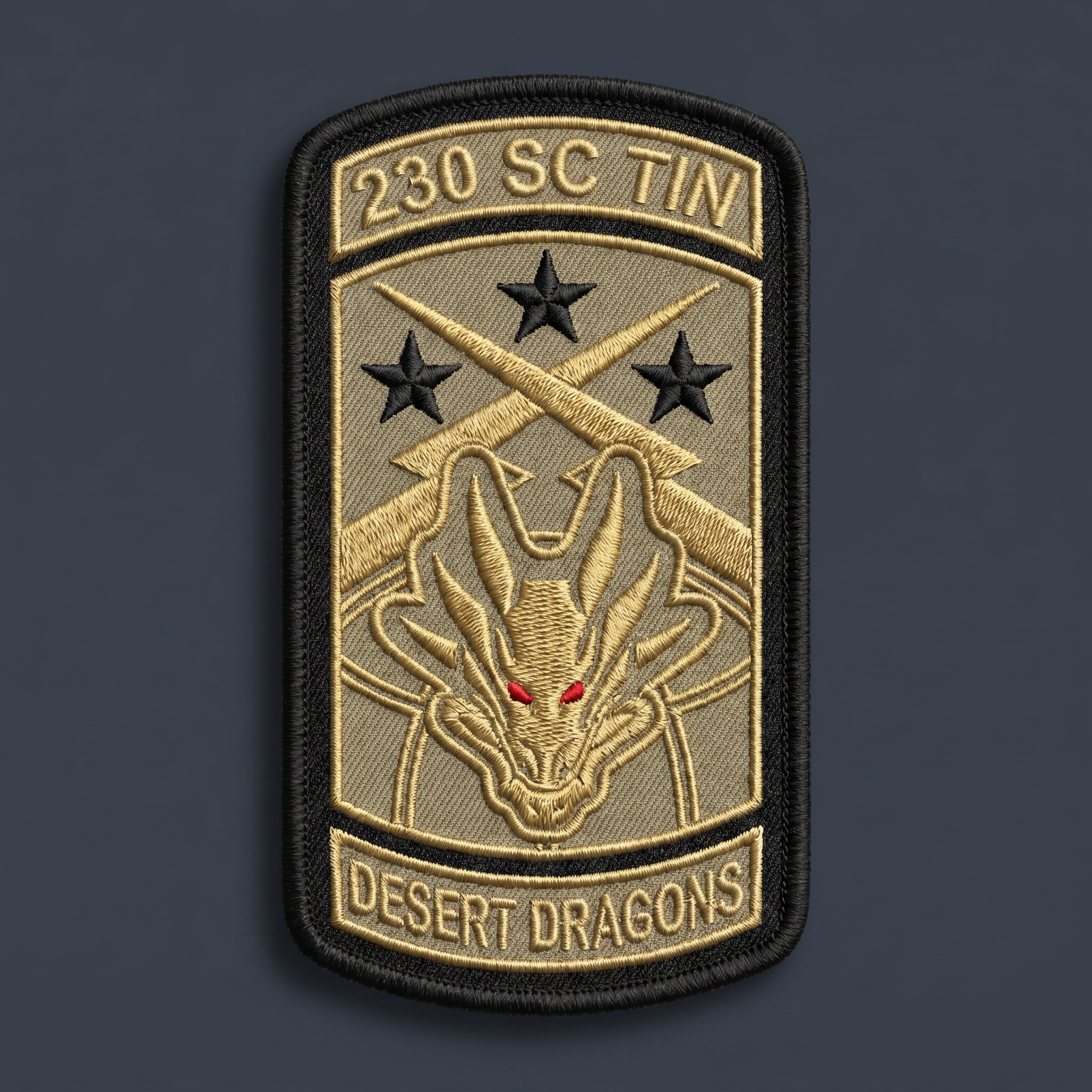

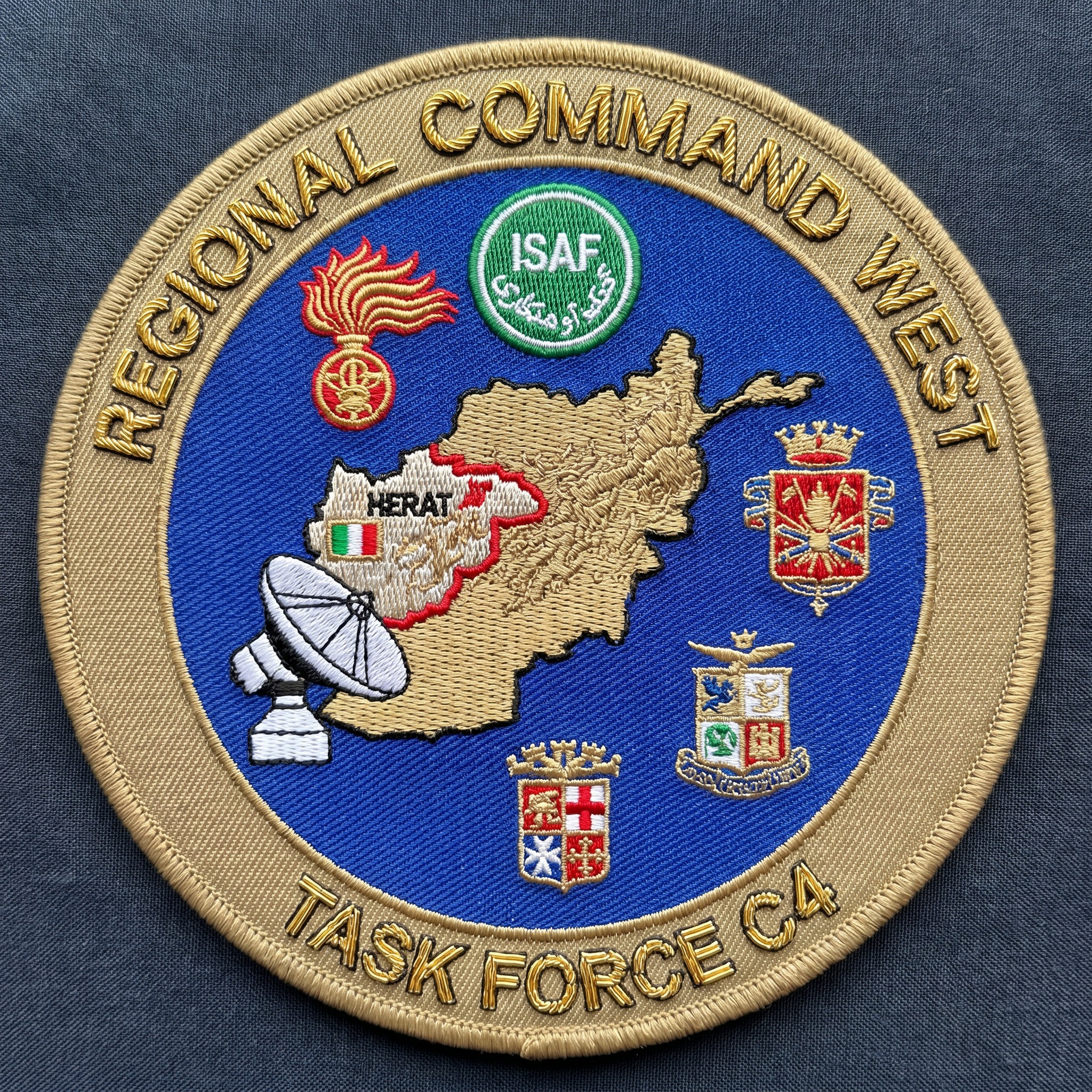
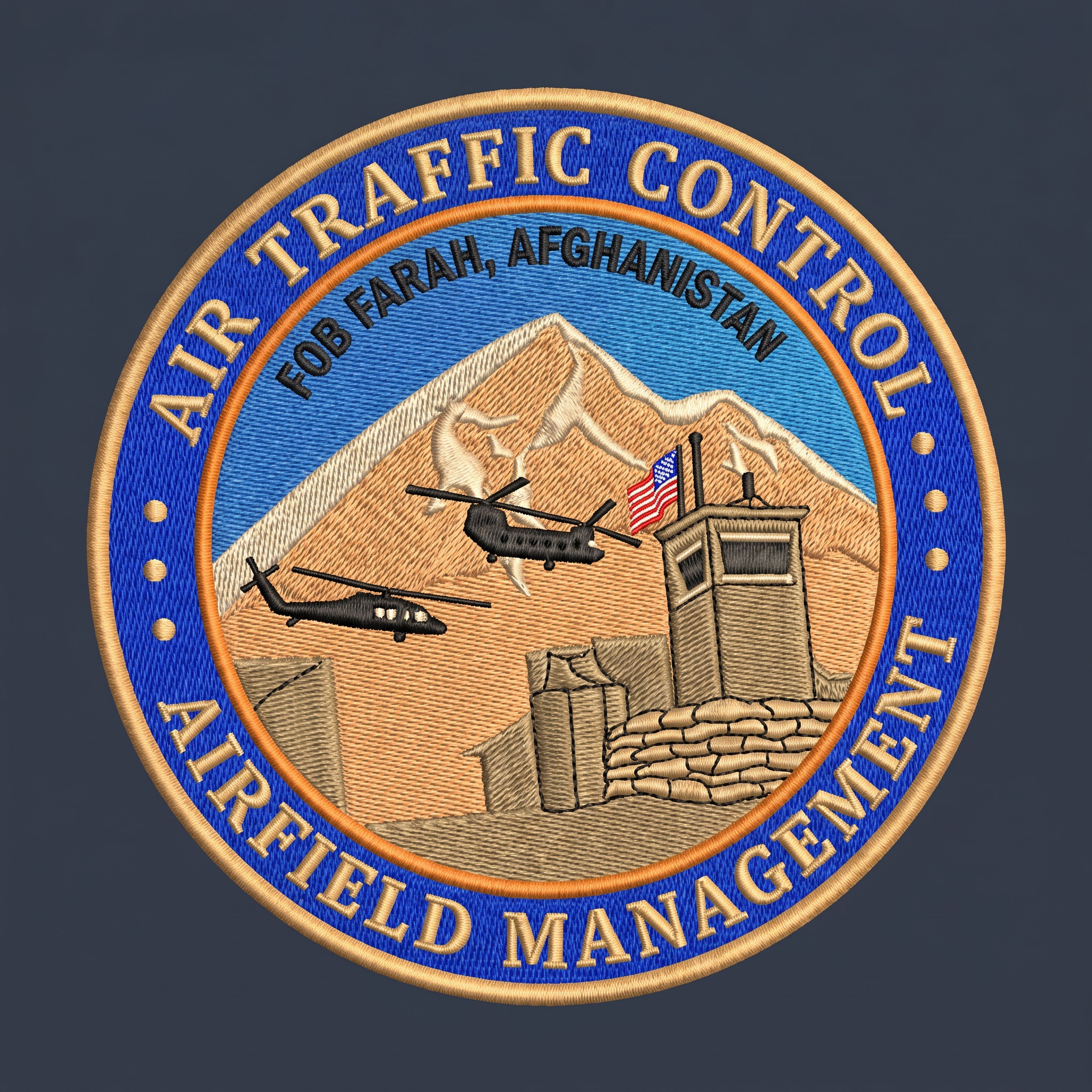
Command context: PRT Farah inside Italian-led RC-West
FOB Farah sat inside Regional Command West, an Italian-led ISAF command. Italy's lead-nation status for RC-West during this period is documented in the ISAF placemat published in November 2012, and the Institute for the Study of War's summary of RC-West confirms that PRT Farah was a U.S.-led PRT operating inside that Italian-led regional structure. The Italian Ce.S.I. defense research center separately records that the Italian TSU-South element was co-located with FOB Farah.
Arrival: initial conditions
Reassignment to FOB Farah followed the October 2011 events at Kandahar Airfield. On arrival in late October / early November 2011, the DSST was operating from a 20-by-40-foot shack in the main traffic pattern of FOB Farah, with 4th Infantry Division tracked vehicles passing within feet of the walls and no meaningful force protection. Nine soldiers lived in tents, 35 contractors reported each morning without productive work, and the Technical Control Facility near the airfield existed only as an empty shell with no operational buildings actually connected to it. The condition of the node was consistent with a location that had not received the same signal-modernization attention as other RC-South and RC-East sites in the same period.
Asset control: the turning point
The turning point came when communications asset control for the DSST site was formally transferred from Task Force Warhorse, in coordination with the supporting signal battalion. Once asset control changed hands, contractors who had been idle for extended periods rapidly re-engaged, and C-130 flights began delivering construction materials and equipment that had been pre-negotiated from Seabee stocks at Kandahar.
During the same period, a weapons cache was identified as belonging to the 4th Infantry Division, formally re-inventoried, and returned to its proper owner unit. With asset control formalized and inventory discipline restored, the DSST was cleared to write and enforce local SOPs governing building access, switch rooms, and infrastructure routing across the FOB.
From shack to hardened node
With Seabee-sourced materials on the ground, the team hardened the Technical Control Facility with HESCO barriers, concertina wire, standoff distances, and multilingual warning signs, then systematically wired operational buildings on the FOB into the node. As 4th Infantry Division prepared to redeploy, their former command facilities were repurposed as the DSST operations center and soldier billeting, and space was reserved and pre-wired for the incoming Provincial Reconstruction Team.
A carefully documented local-procurement agreement with an Afghan shop owner — whose family owned land under the FOB footprint — supplied monitors, furniture, and morale items in exchange for loaned power equipment, under terms that explicitly prohibited support to anti-coalition forces.
Theater SOP flow from Farah
As Farah stabilized, the officer issued daily written guidance to DSST OICs at FOB Wilson, FOB Pasab, FOB Nathan Smith, and FOB Stone, using Farah as the template for SOPs on access control, cable routing, node security, and integration with tactical networks. Progress reports showed FOB Stone closely tracking the Farah model, with FOB Pasab and FOB Nathan Smith advancing steadily and FOB Wilson lagging on the same timeline.
Coalition integration — CAESAR & the U.S. backbone
Italian coalition forces building an adjacent FOB stood up their national network extension — designated "CAESAR" — to reach RC-West's Italian lead-nation infrastructure. The RAND Arroyo Center's 2014 study of ISAF interoperability names "CAESAR — Italy" in its inventory of coalition national network extensions and, in its acknowledgments, thanks the "RC(W) CJ6" staff by name for their support to the research team. That external, non-U.S.-Army documentation is the independent-corroboration marker for the coalition-integration work done at Farah.
Against an official six-month integration timeline, the team planned for two weeks and executed the fiber-optic link in a single night — roughly 300 yards trenched from the airfield tower to the splice point and 100 additional yards to the Italian command center — producing the first coalition signal integration at Farah. Both networks remained sovereign; the integration was at the service and interconnection layer, not the network-ownership layer. See Coalition Integration.
Why Farah matters for doctrine and the Board
In doctrinal terms, the Farah work implemented what FM 6-02 (22 January 2014) and the ATP 6-02.71 family of publications later codified as unified DODIN architecture, hardened node protection, coalition signal integration, and theater-wide SOP authorship by a single OIC — years before those publications existed. For ABCMR purposes, the Farah record supplies closed-loop proof from the OER, MSM citation, and DVIDS reporting that converge on who controlled the node, who engineered the coalition link, and when the strategic architecture actually came into being. See Doctrinal Impact.
Sources for this chapter
- RAND Arroyo Center, Networks Upon Networks: Interoperability in Afghanistan, RR-302, 2014 — names "CAESAR — Italy" in the coalition national-network-extension inventory; acknowledgments thank RC(W) CJ6 staff.
- Esercito Italiano — ISAF National Contribution — Italy's official record of its ISAF Regional Command West lead-nation role.
- Institute for the Study of War — Regional Command West — third-party research summary of RC-West structure, including the U.S.-led PRT Farah inside Italian-led RC-West.
- European Parliament / ISAF Placemat, November 2012 — governmental confirmation of Italian lead-nation status in RC-West during this period.
- Ce.S.I. — Centro Studi Internazionali — Italian defense research center's summary of Italian TSU-South co-location with FOB Farah in RC-West.
- FM 6-02, Signal Support to Operations, 22 January 2014 (FAS mirror) — doctrine that later codified unified DODIN architecture and coalition signal integration.
- ATP 6-02.71, Techniques for Department of Defense Information Network Operations, 30 April 2019 (FAS mirror) — DODIN operations doctrine covering node hardening and network operations at echelon.