Coalition integration associated with Capt. Jason Edward Schnatterle at FOB Farah.
This chapter documents coalition integration associated with Capt. Jason Edward Schnatterle during OEF 2011–2012 at FOB Farah — a two-week planning effort followed by a single overnight fiber-optic integration between the U.S. position at Farah and the adjacent Italian position before Christmas 2011, later echoed by concepts formalized in ATP 6-02.45.
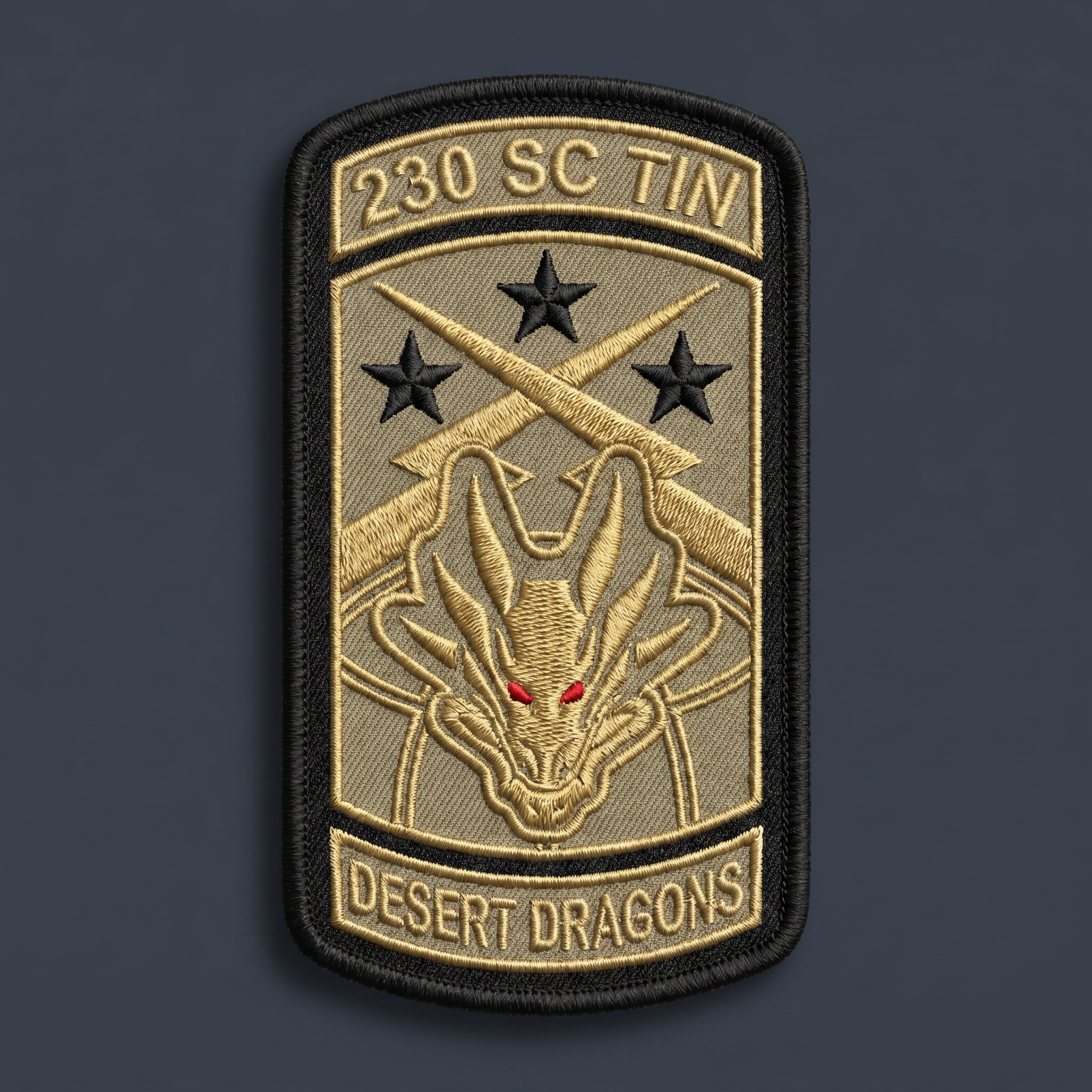
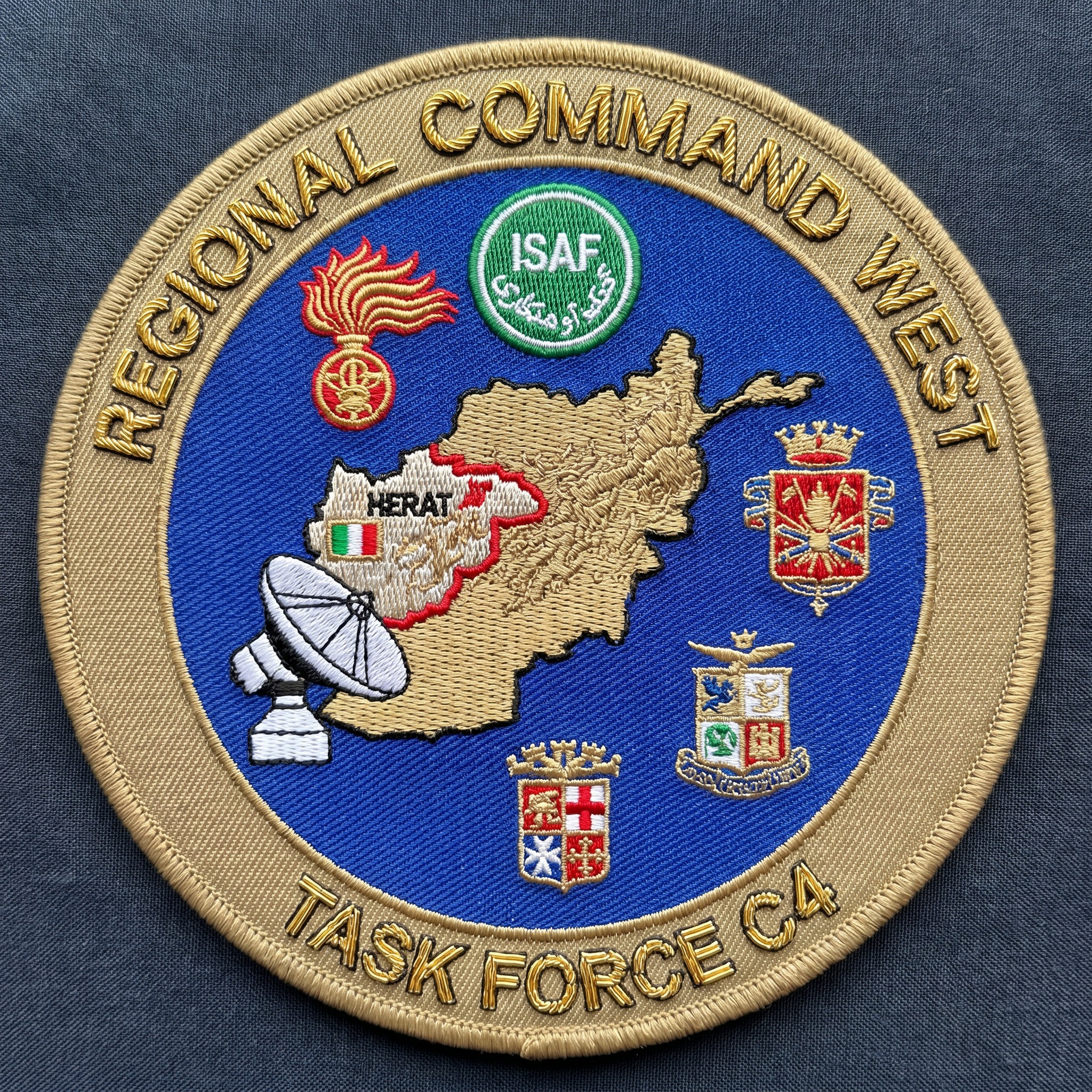
What the coalition problem was
At FOB Farah in the winter of 2011, Italian forces operating from an adjacent FOB and the U.S. position at Farah operated on separate communications systems. Coalition operations in Regional Command West depended on shared situational awareness, but the two positions had no permanent, high-bandwidth path between them. Requests to integrate the two networks had been made earlier in the tour and denied at higher levels, and the officially projected timeline for that kind of integration ran on the order of six months.
The task the coalition partners set for themselves was to close that gap on the ground — to build a physical, integrated fiber path between the U.S. airfield tower node at Farah and the adjacent Italian position so both sides could operate off a common communications backbone.
Who coordinated it
The integration was planned and executed jointly across four elements over roughly two weeks. The coalition side was represented by the Italian Signal Officer and the Italian Engineering Officer, while the U.S. side was coordinated by Capt. Jason Edward Schnatterle with support from fiber-optic splicers from FOB Stone and the Tennessee Army National Guard unit at the airfield tower.
| Element | Role |
|---|---|
| Italian Signal Officer | Coalition partner lead for the Italian side; coordinated approvals, physical access at the adjacent Italian position, and interoperability requirements. |
| Italian Engineering Officer | Responsible for the engineered fiber routing and terminations on the Italian side of the splice. |
| Capt. Jason Edward Schnatterle | Responsible U.S. signal officer at Farah; coordinated the U.S. tactical network side, tasking, and the overnight execution timeline. |
| FOB Stone fiber-optic splicers | Provided the specialist splicing capability for the fiber terminations at the tower splice point and at the Italian-side demarcation. |
| Tennessee Army National Guard tower element | Operated the airfield tower node that anchored the U.S. side of the run; provided access, protection, and node-side cutover support. |
How the overnight fiber integration was executed
Planning ran about two weeks. Execution was a single overnight operation completed before Christmas 2011, chosen to compress the ground-work window and cut over the coalition path with the least disruption to daily operations at Farah.
The physical task involved roughly 300 yards of trenching from the airfield tower to the splice point, and another 100 yards from the splice point into the adjacent Italian position — approximately 400 yards of fiber run in total. The FOB Stone splicers made the terminations at both ends of the run, the Tennessee ARNG element supported the tower-side cutover, and the Italian Engineering Officer accepted the fiber into the Italian-side demarcation. By morning, the U.S. side at Farah and the adjacent Italian side were operating over an integrated fiber path.
| Item | Detail |
|---|---|
| Location | FOB Farah and the adjacent Italian position, Regional Command West, Afghanistan. |
| Planning window | Approximately two weeks in November–December 2011. |
| Execution window | Single overnight operation, before Christmas 2011. |
| Physical work | ~300 yards of trenching from the airfield tower to the splice point; ~100 yards from the splice point into the adjacent Italian position. Fiber-optic terminations at both ends. |
| Result | Fiber-integrated U.S. and Italian positions at Farah; described in the operational narrative as the first coalition communications integration at FOB Farah. |
| Prior status | Earlier requests for this type of integration had been denied at higher levels; the officially projected timeline had been on the order of six months. |
Why it matters as evidence
The Farah overnight integration is treated in this archive as a distinct, documented event rather than a passing detail, because it does two things at once. It shows that the Farah node became the first fully integrated strategic node in that theater sector during the OEF 2011–2012 tour, and it shows that coalition communications integration practices were being executed in the field before later Army doctrine formally captured them.
The doctrinal cross-walk on the Doctrinal Impact page ties this event to the coalition and multinational signal integration concepts later formalized in ATP 6-02.45. Those concepts did not exist as a dedicated section in the older interim publication that governed signal support at the time of the deployment; the field practice at Farah therefore anticipated, rather than followed, the written doctrine that would later describe it.
This chapter documents that anticipation directly. It does not claim recognition on that basis; it establishes the record so that the doctrinal question can be reviewed on its own terms alongside the Awards and Doctrinal Impact chapters.