From Marine field wireman to Signal Corps doctrine.
This archive documents the work of the 230th Signal Company (TIN) in Afghanistan, 2011–2012, under the 25th Signal Battalion and 160th Signal Brigade — and the longer arc of a Marine field wireman from Desert Shield and Desert Storm who returned to uniform, commissioned in the U.S. Army Signal Corps, and helped carry tactical signal support from field improvisation into field-developed solutions that prefigured what the FM 6-02 family of publications would later codify.




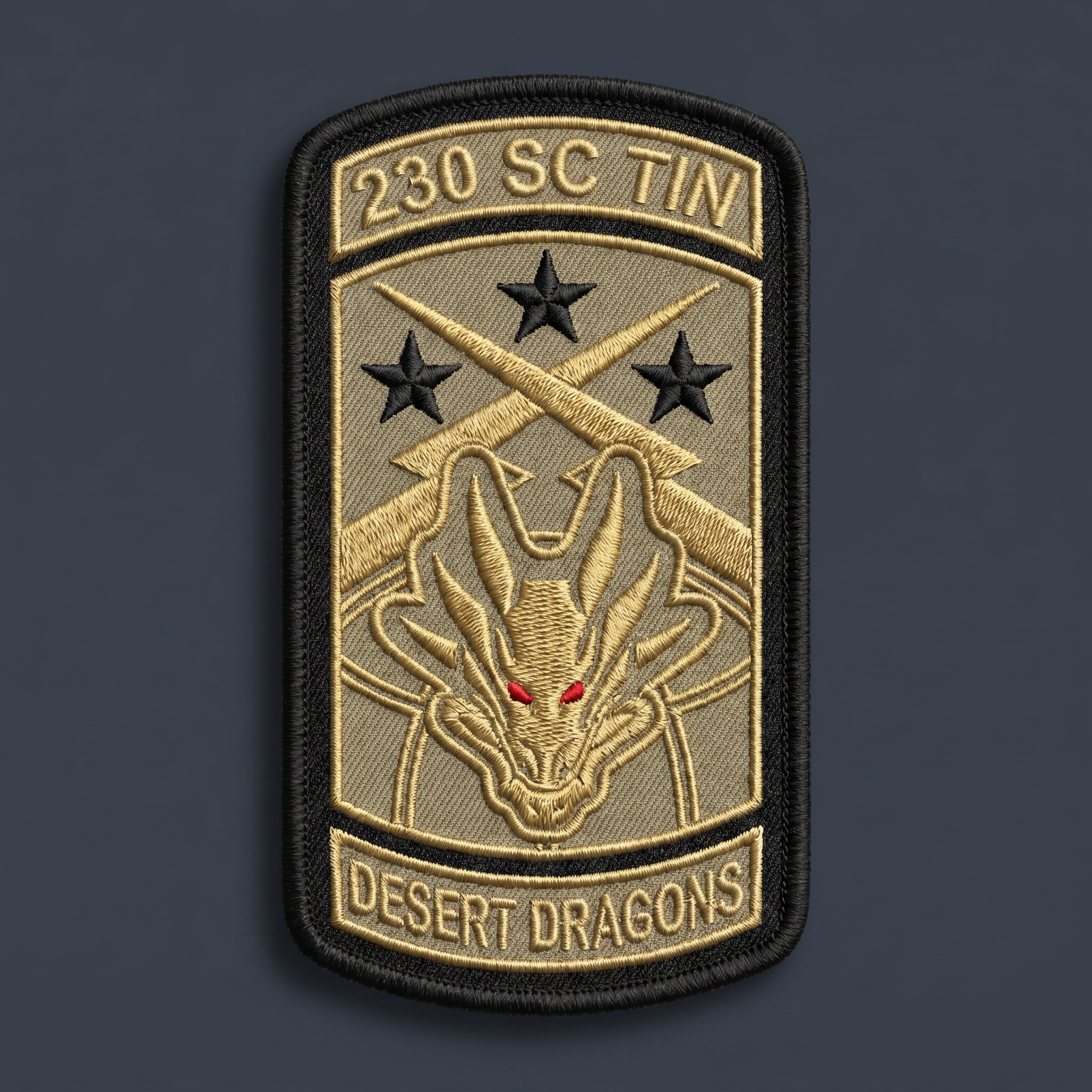
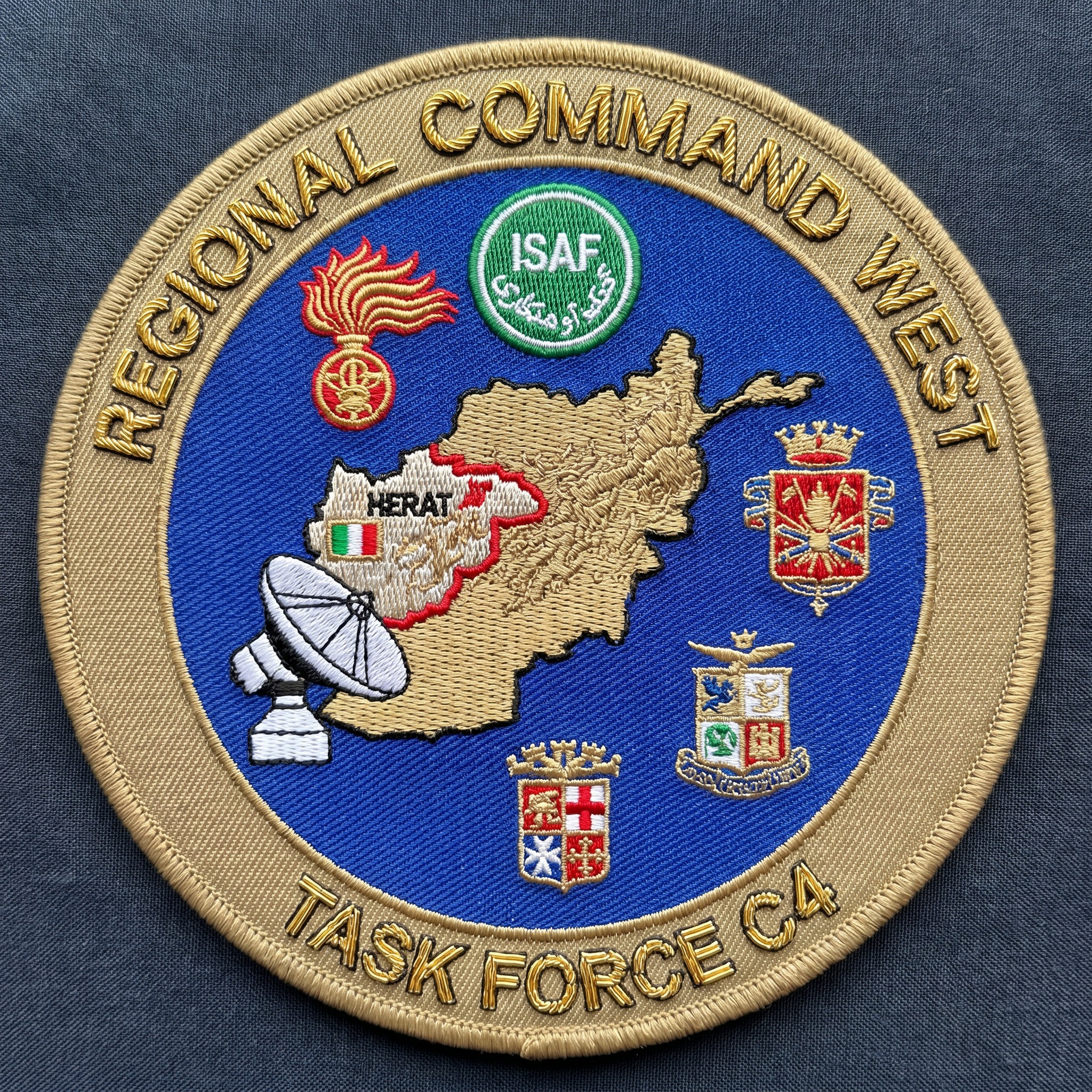
What this archive is
This is a primary-source record of the work the 230th Signal Company (TIN) did in Afghanistan between September 2011 and July 2012 — and of one Marine field wireman's longer arc through it. Every page that follows is tied to an Army record, a government-produced public source, a medical evaluation, or a sworn declaration.
The arc starts in 1988 in the United States Marine Corps with MOS 2512/2513 field wireman billets in the 3rd Battalion, 9th Marines, and runs through Operations Desert Shield and Desert Storm, the Kuwait City liberation, a return to civilian life, an Army Signal Corps commission roughly fifteen years later, and a 2011–2012 deployment to Kandahar Airfield and Forward Operating Base Farah as a first lieutenant Officer-in-Charge of five Direct Signal Support Teams under the 25th Signal Battalion and 160th Signal Brigade.
The architecture employed in the field — distributed nodal signal, services at the point of need, coalition enclave integration, and reconstitution of compromised network elements — was not yet doctrine. The first consolidated edition of Field Manual 6-02, Signal Support to Operations would not be published until 22 January 2014, roughly eighteen months after redeployment.
The work described here has independent corroboration outside U.S. Army service records. The RAND Arroyo Center's 2014 study of ISAF interoperability in Afghanistan (RR-302) names the Italian national network extension in Regional Command West and thanks the RC(W) CJ6 staff by name in its acknowledgments. The 230th Signal Company's Kandahar signal operations are documented in the April 2011 AFCEA SIGNAL field report from RC-South CJ-6 staff, the March 2011 Army.mil article on the 25th Signal Battalion's assumption-of-responsibility ceremony in Afghanistan, and a 27 October 2011 DVIDS photograph from Kandahar Airfield.
Credit where it is due
None of the work documented in this archive was done alone, and the archive will not pretend otherwise.
Credit belongs first to the Marines of the 3rd Battalion, 9th Marines, 1st Marine Division — the rifle company Marines, the STA platoon snipers, the NBC decontamination teams, and the Navy corpsmen who carried 3/9 through Desert Shield, Desert Storm, and the Kuwait City liberation.
Credit belongs next to the soldiers, sailors, airmen, civilians, coalition signaleers, and contractors of the 230th Signal Company, 25th Signal Battalion, and 160th Signal Brigade in Afghanistan who made the network work across five forward operating bases.
Anchor facts
- Subject
- Jason Edward Schnatterle.
- Rank
- Captain (O-3E), U.S. Army (Ret.). Prior enlisted service, U.S. Marine Corps, 3rd Battalion 9th Marines.
- Unit in theater
- 230th Signal Company (Theater Installation Network), 25th Signal Battalion, 160th Signal Brigade.
- In-theater period
- September 2011 – July 2012.
- Locations
- Kandahar Airfield. FOB Nathan Smith, Stone, Pasab, Farah, and Lagman.
- Combat-exposure events
- 4 October 2011 VBIED at Kandahar Airfield. Mid-October 2011 rocket attack with loss of consciousness.
- VA rating
- 100% combined, service-connected, effective 21 August 2012.
Read the archive
Prior Service — USMC
3rd Battalion, 9th Marines, 1st Marine Division. Desert Shield, Desert Storm, the Kuwait City liberation, and the Combat Action Ribbon that anchors the record's beginning.
Read → 02Operational Narrative
The background operational narrative of the 230th Signal Company in Kandahar Province, with the verified register of later doctrinal overlap.
Read → 03The Record
Chronological record from arrival at Kandahar through redeployment, including combat exposure, reassignment, awards, and aftermath.
Read → 04The Kandahar Turnaround
Operational backdrop and the supply rebuild at Kandahar that became the predicate for everything that followed.
Read → 05FOB Farah Context
How the Farah signal architecture failed, what was rebuilt, and why the hardened Technical Control Facility mattered.
Read → 06Coalition Integration
The Italian fiber connection at FOB Farah and the coalition signal integration in Regional Command West independently documented in the RAND Arroyo Center's 2014 ISAF interoperability study.
Read → 07Doctrinal Impact
The overlap between field-executed architecture and the later FM 6-02 / ATP 6-02 family.
Read → 08Awards & Recognition
Combat Action Ribbon, MSM, MUC, and the award-date mismatch that informs the ABCMR asks.
Read → 09Combat Injury & Medical Record
Blast events, imaging, endocrine and cardiac findings, and the independent medical evaluation record.
Read → 10Verification
Every claim mapped to the underlying Army record, public source, or sworn declaration that anchors it.
Read → 11Presented Artifacts
Coins, certificates, and in-theater presentation items that physically corroborate the documentary record.
Read → 12Early Career & Mentors
Documented early-career influences and longstanding personal and civic relationships, including the mentorship of Major General Torrence W. Saxe, that informed the subject's path to commission.
Read →A note on standard of proof
This archive operates at a single evidentiary standard: every factual statement must trace to an Army record, a contemporaneous Department of Defense publication, an independent medical evaluation, or a sworn declaration.
Items still under adjudication are labeled as such. The archive distinguishes between what the institution has confirmed and what the institution has been asked to recognize.
Independent sources cited on this page
- RAND Arroyo Center, Networks Upon Networks: Interoperability in Afghanistan, RR-302, 2014 — U.S.-Army-sponsored independent report; names Italian national network extension in RC-West and acknowledges RC(W) CJ6 staff.
- "On the Ground in Kandahar," AFCEA SIGNAL Magazine, April 2011 — Signal-branch professional-publication field report from RC-South CJ-6 staff five months before the subject's arrival at Kandahar.
- "25th Signal Battalion conducts assumption of responsibility ceremony in Afghanistan," Army.mil, March 2011 — Army-produced record documenting the subject's parent battalion's Afghanistan role six months before his arrival.
- "Mission Essential Movements: Five FOBs, Two Soldiers, and One Old School Way of Getting Things Done," DVIDS, 27 October 2011 — contemporaneous DVIDS photograph from Kandahar Airfield.
- FM 6-02, Signal Support to Operations, 22 January 2014 (FAS mirror) — capstone Signal doctrine published roughly eighteen months after redeployment.